


Cost of Trenchless Pipe Replacement: 2026 Guide
Table of Contents
What Is Trenchless Pipe Replacement and Why Cost Matters
Trenchless Pipe Repair Cost: Breaking Down the Expenses
Moling Cost Per Metre: How Length Affects Your Quote
Factors That Influence Trenchless Pipe Replacement Cost
Pipe diameter and material
Pipe depth and accessibility
Repair method and complexity
Trenchless vs Traditional Excavation: Cost and Disruption Comparison
Water Pipe Replacement Cost: What You'll Actually Pay
Getting an Accurate Quote and Avoiding Hidden Charges
Frequently Asked Questions
Last Updated: October 18, 2026
What Is Trenchless Pipe Replacement and Why Cost Matters
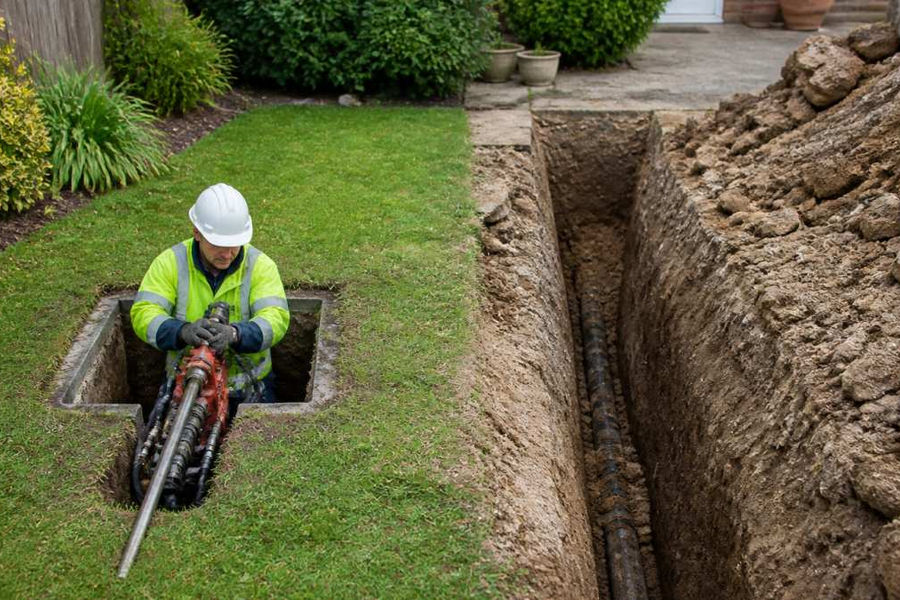
Trenchless pipe replacement is a method of repairing or replacing water pipes without excavating large sections of your garden, driveway, or property. Instead of digging trenches, engineers use specialised equipment to access the pipe from small access pits, typically less than a metre in diameter.
The cost of trenchless pipe replacement depends on several factors: pipe length, diameter, depth, material condition, and the specific repair method used. Understanding these variables helps you anticipate realistic quotes and avoid hidden charges.
The answer isn't simple because costs vary significantly based on your property's specific circumstances. A Victorian terrace with a 30-metre lead pipe at 1.2 metres depth will quote differently from a modern detached house with a 15-metre plastic pipe at 0.8 metres depth. The method chosen also matters enormously.
Why does this matter? Because an inaccurate estimate can lead to budget shock mid-project. Worse, vague quotes hide costs that emerge only when work begins.
Trenchless Pipe Repair Cost: Breaking Down the Expenses
The cost of trenchless pipe replacement typically comprises three main categories: labour, equipment, and materials. Labour usually represents the largest portion, particularly for specialist work requiring qualified engineers and 24/7 availability.
Labour costs reflect the skill required to operate moling equipment, diagnose pipe conditions, and execute repairs safely. A qualified engineer's time, supervision, and on-site coordination all factor into this. Equipment costs cover the hire or deployment of specialised moling rigs, access pit excavation, and diagnostic tools like CCTV pipe surveys.
Diagnostic surveys often precede the main work. A CCTV pipe survey provides essential information about pipe condition, exact location, and damage extent. This investment upfront prevents costly mistakes during repair work.
Access pit creation is another discrete cost. These pits, typically 1 to 1.5 metres square, allow engineers to reach the pipe and insert equipment. Restoration of the access pit after work completes is usually included in the labour cost, though some quotes separate this.
Watch Out A common mistake is accepting a quote that lists "labour" as a single line item without breakdown. Request itemised quotes that show diagnostic survey, access pit creation, actual repair work, and reinstatement separately. This transparency prevents disputes over what's included and protects you if scope changes mid-project.
Moling Cost Per Metre: How Length Affects Your Quote
Pipe length is one of the most straightforward cost drivers for trenchless pipe replacement. Longer pipes require more time, more material, and sometimes additional access points, all of which increase the total cost of trenchless pipe replacement.
A 10-metre pipe replacement costs significantly less than a 50-metre replacement, but the relationship isn't simply linear. The first few metres often carry higher per-metre costs because setup, mobilisation, and access pit creation are fixed overheads. Once the rig is positioned and the job is underway, subsequent metres become more cost-efficient.
For example, a 15-metre pipe replacement might have a different per-metre cost compared to a 40-metre replacement because fixed costs are spread across more distance. This is why obtaining quotes for your exact pipe length matters. Rough estimates based on "typical" lengths can mislead.
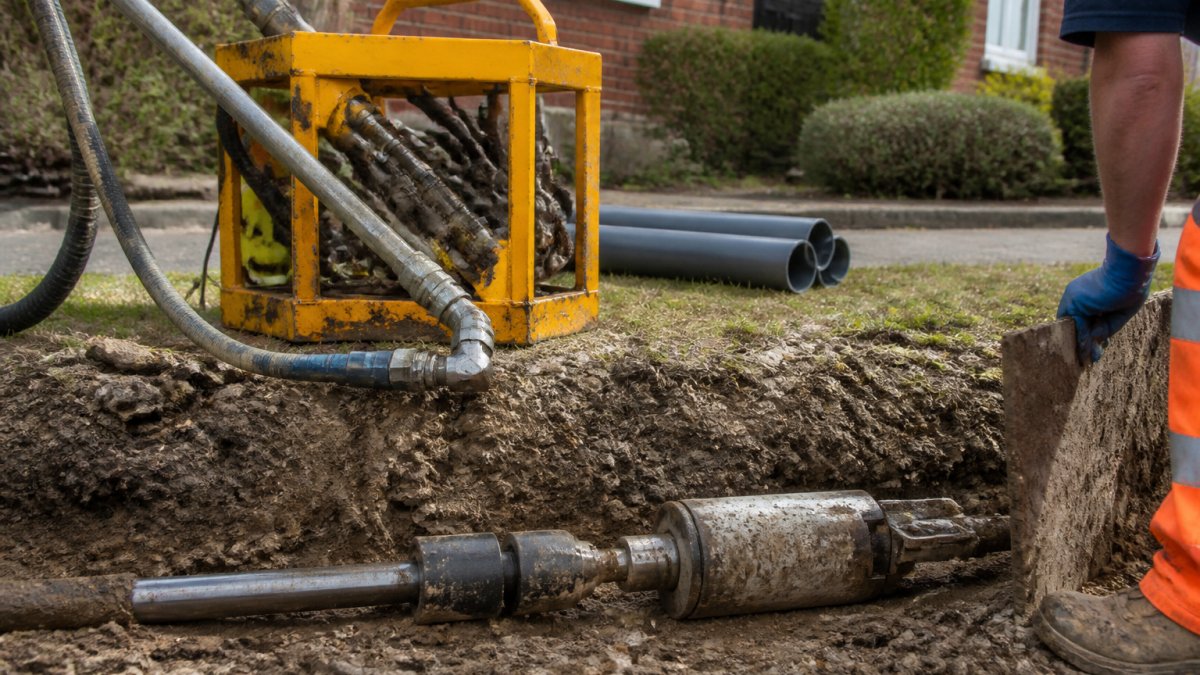
Pipe bursting, one method for trenchless replacement, typically charges per metre because the equipment pulls a new pipe through while fracturing the old one. Pipe lining, another method, also charges per metre but may have different per-metre rates because the process differs.
Pro Tip If your property has multiple damaged sections, ask whether repairing them in one visit reduces per-metre costs. Contractors often offer modest discounts when they can position equipment once and complete several repairs in sequence, avoiding repeated mobilisation costs.
Factors That Influence Trenchless Pipe Replacement Cost
Several interconnected factors shape the final cost of trenchless pipe replacement. Understanding these helps you interpret quotes and recognise when a figure seems unusually high or suspiciously low.
Pipe diameter and material
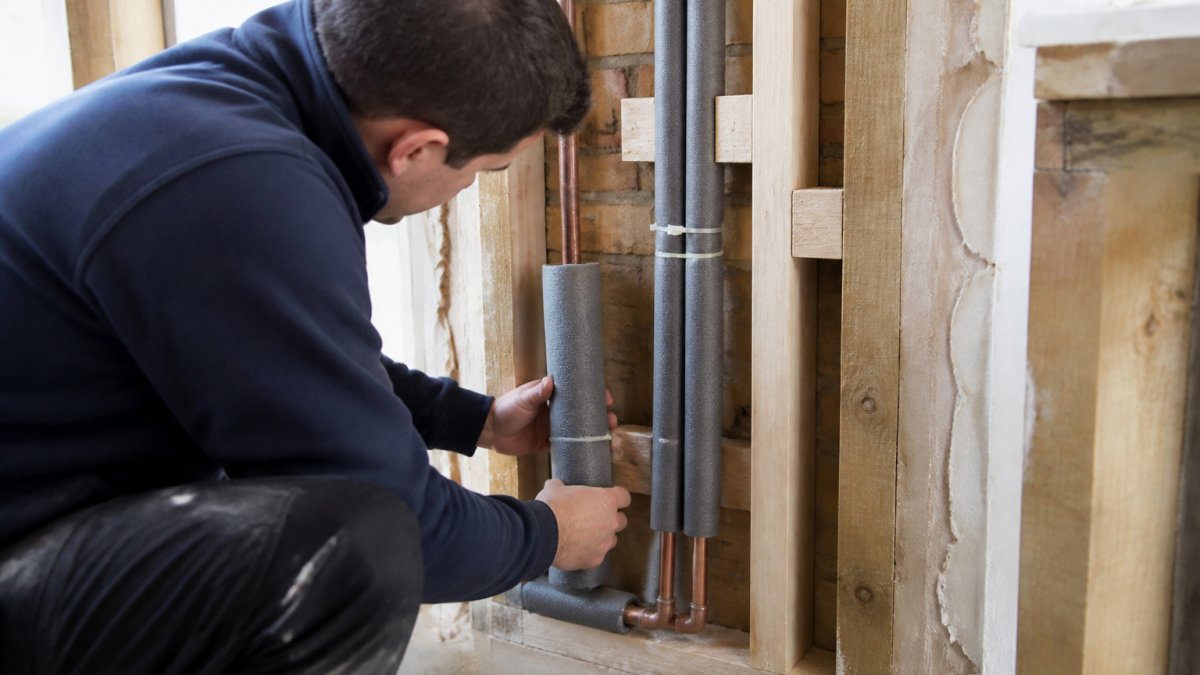
Larger diameter pipes cost more to replace than smaller ones because they require more material and more powerful equipment to handle. A 25mm water supply pipe is cheaper to replace than a 50mm pipe. The material of the existing pipe also influences cost. Lead pipes, common in older properties, require careful handling and disposal, which can add to labour time and waste management fees.
Plastic pipes are generally cheaper to replace than copper or cast iron because replacement material costs less and handling is simpler. However, if a plastic pipe has collapsed or is severely damaged, the complexity of removal might offset material savings.
Pipe depth and accessibility
Pipes buried deeper require more extensive access pit excavation and longer working time. A pipe at 0.5 metres depth is far cheaper to access than one at 2 metres depth. Similarly, pipes located beneath driveways, patios, or buildings are harder to access than those under open garden, and this difficulty translates directly into higher labour costs.
Accessibility also depends on obstructions. Roots, utilities, or existing structures near the pipe complicate the work. If the moling rig must navigate around obstacles or if additional surveying is needed to confirm utility locations, costs rise. This is why site visits and detailed surveys matter; they reveal hidden complications before work begins.
Repair method and complexity
The method chosen significantly affects the cost of trenchless pipe replacement. Pipe lining involves inserting a new pipe or resin-impregnated sleeve inside the existing damaged pipe. Pipe bursting fractures the old pipe and pulls a new one through simultaneously.
Pipe lining is often the least disruptive and fastest method, making it cost-effective for many situations. Pipe bursting costs more because it requires more powerful equipment and precise positioning. Full replacement is typically the most expensive because it involves complete pipe removal and disposal, plus new pipe installation.
The complexity of the repair also matters. A straightforward 20-metre pipe replacement on a straight run with good access is simpler than a 20-metre replacement with bends, changes in depth, or multiple access points. Complexity increases labour time and may require specialist equipment, raising costs accordingly.
Trenchless vs Traditional Excavation: Cost and Disruption Comparison
Trenchless methods and traditional excavation represent fundamentally different approaches to pipe replacement, each with distinct cost and disruption profiles. Understanding this comparison helps you make an informed decision about which method suits your property and budget.
Traditional excavation involves digging a trench along the entire pipe route, removing the damaged pipe, and installing a new one before backfilling and reinstating the surface.
However, traditional excavation carries hidden costs that often outweigh the apparent savings. Landscaping restoration is substantial. If a trench runs through a garden, reinstating turf, replanting, or repairing hardscaping can cost hundreds of pounds.
Trenchless methods avoid most of this disruption. The small access pits required for moling work leave minimal surface damage and require proportionally less restoration. A garden with a moling pit can be restored to use within days, whereas a traditional trench may take weeks.
The cost of trenchless pipe replacement is typically higher per metre of pipe than traditional excavation, but the total project cost often favours trenchless work when disruption, restoration, and potential damage are included.
Key Takeaway Trenchless methods cost more per metre but less overall when disruption and restoration are factored in. For properties with extensive hardscaping, mature gardens, or tenants who cannot tolerate extended downtime, trenchless replacement typically delivers better value despite higher quoted rates.
Water Pipe Replacement Cost: What You'll Actually Pay
Water supply pipe replacement is one of the most common trenchless applications. Understanding realistic costs for this specific scenario helps you budget accurately.
A typical water pipe replacement for a residential property in the Southeast varies depending on length, depth, and method.
External Moling Services Ltd has completed thousands of water pipe replacements across London and the Southeast. The most common scenario is a 25-30 metre lead or aging plastic pipe at 0.8-1.2 metres depth, which can be addressed using pipe lining or pipe bursting methods.
The cost of trenchless pipe replacement for water pipes specifically benefits from the fact that water pipes are typically smaller diameter than main sewer lines, making them faster and cheaper to work with.
Emergency call-outs for burst water pipes carry additional costs. A 24-hour emergency service, available at External Moling Services Ltd, may carry additional costs compared to standard daytime rates. This premium reflects the cost of maintaining crews available outside normal hours and the urgency of water supply failures.
Getting an Accurate Quote and Avoiding Hidden Charges
An accurate quote for the cost of trenchless pipe replacement requires detailed site information and clear communication about scope.
Before requesting quotes, gather this information: pipe material and approximate age, pipe location (under garden, driveway, or building), approximate length, known damage or symptoms (slow drainage, water loss, collapsed sections), and any previous repair attempts.
A thorough quote should include: diagnostic survey cost, access pit creation and reinstatement, the repair method and material costs, labour time and rates, any utility location or marking fees, and a clear timeline.
Ask specifically about contingencies. If the pipe is more severely damaged than anticipated, or if unexpected obstructions are discovered, will additional costs apply? How are these handled?
Avoid quotes that seem unusually low. Trenchless pipe replacement requires specialised equipment, qualified engineers, and insurance. A quote significantly below market rates may indicate corner-cutting, inexperienced staff, or hidden costs that emerge mid-project.
Request references from previous customers, particularly those with similar properties or pipe scenarios. Ask about their experience with quote accuracy, timeline adherence, and post-completion support.
The cost of trenchless pipe replacement reflects the complexity of your specific situation: pipe length, depth, material, and access all influence the final figure. External Moling Services Ltd offers free quotes for water pipe replacement across London and the Southeast, backed by 20 years of experience and a 10-year labour guarantee. Water supply pipe regulations and standards outline the requirements for water infrastructure work, and our team ensures full compliance.
Frequently Asked Questions
Is trenchless pipe repair cheaper than traditional excavation?
Trenchless methods typically cost more upfront but often deliver better long-term value. Traditional excavation requires extensive digging, landscaping restoration, and longer labour time. Trenchless techniques minimise surface disruption and restoration costs, making them more economical for many properties. The final comparison depends on pipe length, location, and ground conditions. Request quotes from both methods to compare actual costs for your specific situation.
What factors affect the cost of trenchless pipe replacement?
Key cost drivers include pipe length, diameter, depth, material type, and accessibility. Older properties with lead pipes or difficult access points typically cost more. The repair method chosen, pipe lining, pipe bursting, or full replacement, also significantly impacts pricing. Ground conditions, soil stability, and whether the work is emergency or planned also influence final costs. A site inspection helps specialists provide accurate estimates based on your property's unique circumstances.
How much does trenchless water pipe replacement cost?
Pricing depends on pipe length, diameter, material, depth, and the specific repair method required. Water pipe replacements typically range based on these variables, though exact costs vary by region and contractor. Rather than generic price ranges, obtain a detailed quote from a qualified specialist who can assess your property. Most reputable companies offer free initial inspections and transparent quotations before work begins.
Is trenchless pipe replacement suitable for every property?
Trenchless methods work well for most residential and commercial properties, but certain conditions may require traditional excavation. Very old pipes, severe collapses, or extremely deep installations sometimes necessitate dig-and-replace approaches. Properties with limited access, underground obstacles, or contaminated soil may also face challenges. A professional site survey determines whether trenchless technology is suitable for your property or if alternative methods are needed.
What does a 10-year labour guarantee on water main replacement actually cover?
A labour guarantee typically covers defects in workmanship and materials for the specified period, ensuring the repair or replacement functions properly. It usually does not cover damage from third-party work, ground movement, or new issues unrelated to the original repair. Always clarify the guarantee's scope with your contractor before work begins. Approved water board companies often provide extended guarantees as a mark of confidence in their workmanship and commitment to customer protection.
How long does trenchless pipe replacement take?
Timeline varies by job scope. Pipe lining typically takes one to three days, whilst pipe bursting and replacement may require longer depending on pipe length and complexity. Emergency work can often be scheduled quickly, sometimes within 24 hours. Most standard projects are completed within a week. Discuss expected timescales during your consultation so you can plan accordingly, especially if water supply disruption is necessary.
Get Your Free Quote


Comments